24 กรกฎาคม 2569, กระทรวงการพัฒนาสังคมและความมั่นคงของมนุษย์ (พม.) โดยกรมส่งเสริมและพัฒนาคุณภาพชีวิตคนพิการ (พก.) ร่วมกับมูลนิธิคนพิการไทย และมหาวิทยาลัยธรรมศาสตร์ จัดงาน “มหกรรม UD (Universal Design) เพื่อคนพิการและทุกคนอยู่ดี” ภายใต้แนวคิด “From Law to Life: Design for All, Better Living for Everyone” ระหว่างวันที่ 24–25 กรกฎาคม 2569 ณ อาคาร 9-10 ศูนย์แสดงสินค้าและการประชุมอิมแพ็ค เมืองทองธานี
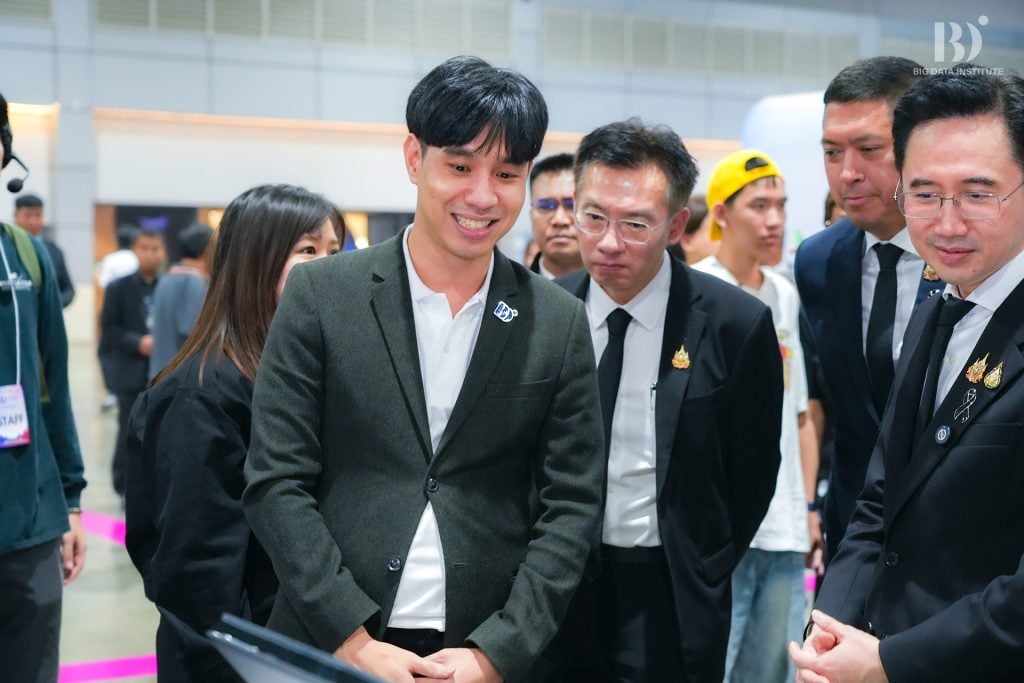
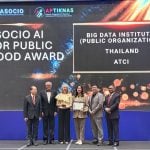
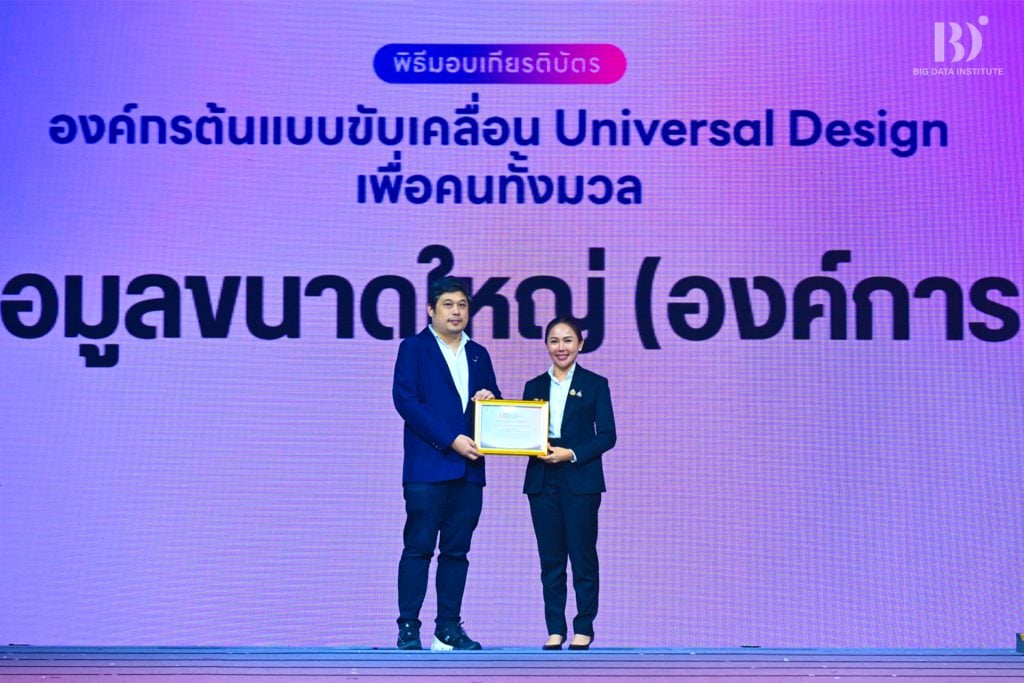
ในการนี้ ศ. ดร.ธีรณี อจลากุล ผู้อำนวยการสถาบันข้อมูลขนาดใหญ่ (BDI) ได้มอบหมายให้ ดร.พีรดล สามะศิริ (รักษาการ) รองผู้อำนวยการฝ่ายบริการวิเคราะห์ข้อมูล พร้อมด้วย นายอมร โชคชัยสิริภักดี ผู้จัดการโครงการและนักวิทยาศาสตร์ข้อมูล เป็นผู้แทนสถาบันฯ เข้าร่วมกิจกรรมภายในงาน โดย นายอมร โชคชัยสิริภักดี เป็นผู้แทน BDI เข้ารับมอบ เกียรติบัตร “องค์กรต้นแบบขับเคลื่อน Universal Design เพื่อคนทั้งมวล” เพื่อเชิดชูบทบาทสถาบันฯ ในการนำเทคโนโลยีข้อมูลขนาดใหญ่มายกระดับคุณภาพชีวิตประชาชน
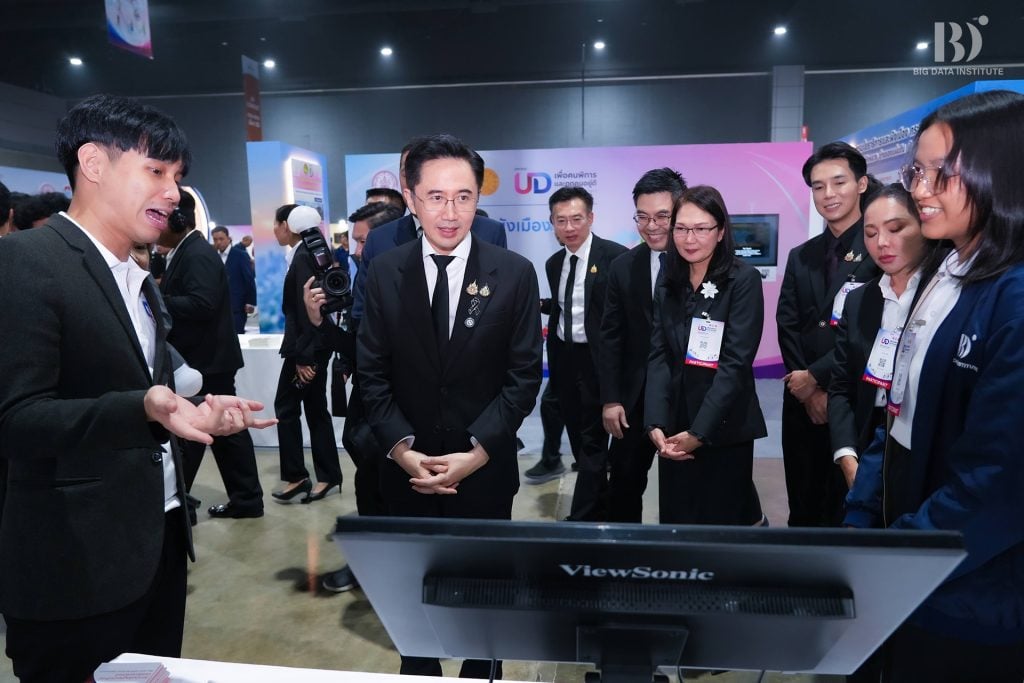
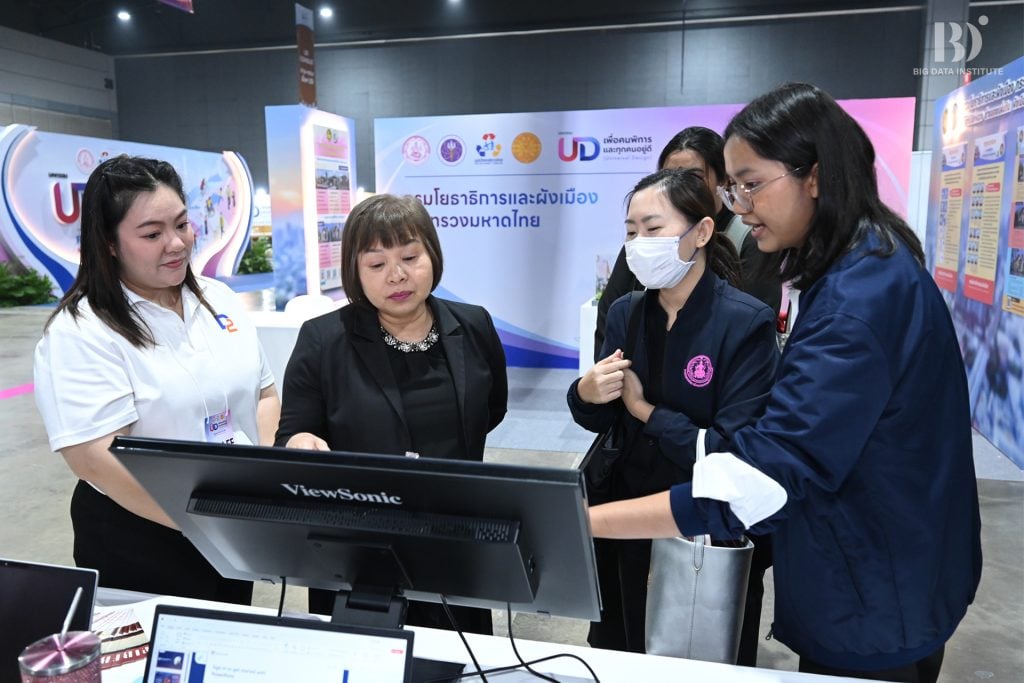
พร้อมกันนี้ บูทนิทรรศการของ BDI ได้รับเกียรติจาก ศ. ดร.ยศชนัน วงศ์สวัสดิ์ รองนายกรัฐมนตรี และรัฐมนตรีว่าการกระทรวงการอุดมศึกษา วิทยาศาสตร์ วิจัยและนวัตกรรม (รมว.อว.) พร้อมด้วย นายนิกร โสมกลาง รัฐมนตรีว่าการกระทรวงการพัฒนาสังคมและความมั่นคงของมนุษย์ (รมว.พม.) เข้าเยี่ยมชม โดยมี ดร.พีรดล สามะศิริ พร้อมด้วยคณะผู้แทน BDI ให้การต้อนรับ และนำเสนอตัวอย่างการประยุกต์ใช้ข้อมูล ผ่านแดชบอร์ดวิเคราะห์ข้อมูลการเชื่อมโยงเด็กพิการ ซึ่งเป็นการทำงานร่วมกันระหว่างกระทรวงศึกษาธิการและกระทรวง พม. เพื่อค้นหาเด็กที่ถือบัตรประจำตัวคนพิการแต่ยังไม่อยู่ในระบบการศึกษา หรือเด็กในสถานศึกษาที่ยังไม่ได้รับสิทธิประโยชน์อย่างเหมาะสม ช่วยให้หน่วยงานในพื้นที่เข้าถึงและช่วยเหลือได้ตรงจุด
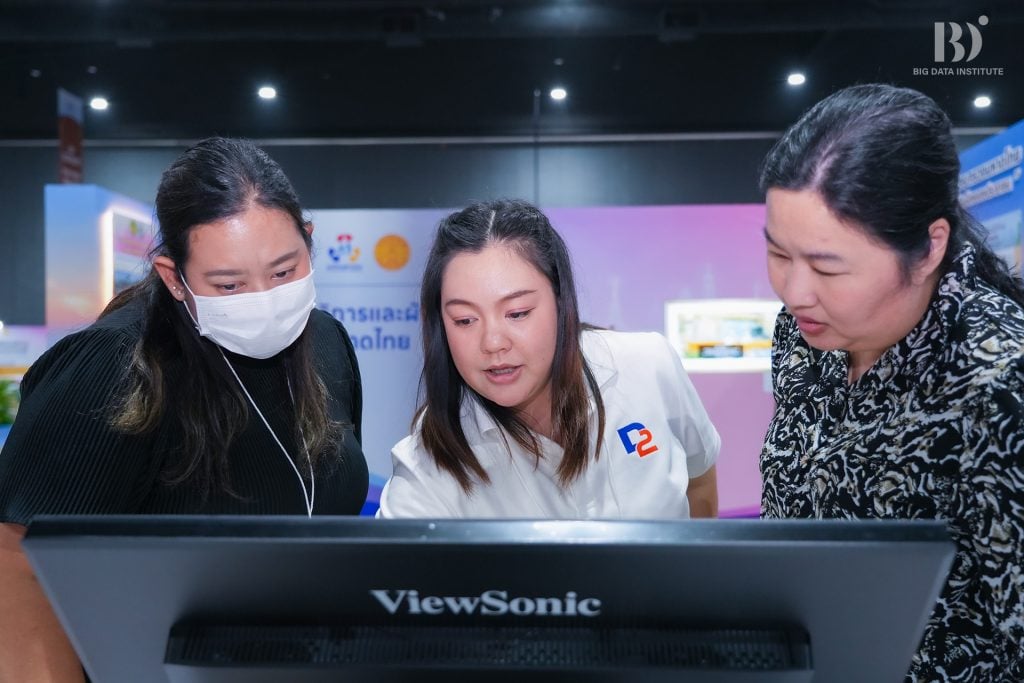
การพัฒนาดังกล่าวเป็นการขับเคลื่อนงานภายใต้บันทึกความเข้าใจ (MOU) ว่าด้วย “การเชื่อมโยงและปรับปรุงฐานข้อมูลประชาชนในกลุ่มเปราะบางและกลุ่มคนพิการ” ซึ่งเป็นการบูรณาการข้อมูลร่วมกันระหว่าง 15 กระทรวง (44 หน่วยงานระดับกรม และ 2 องค์กรปกครองส่วนท้องถิ่น) โดย BDI ทำหน้าที่เป็นที่ปรึกษา เพื่อถ่ายทอดองค์ความรู้และขับเคลื่อนการเชื่อมโยงข้อมูลคนเปราะบาง คนพิการ และผู้สูงอายุ เข้าสู่ โครงสร้างพื้นฐานด้านข้อมูลของกระทรวง พม. ก่อนส่งต่อเข้าสู่แพลตฟอร์มดีทู (Data Integration and Intelligence Platform: D2) สำหรับขยายผลการวิเคราะห์และใช้ประโยชน์ข้อมูลข้ามสาขา ช่วยลดข้อจำกัดในการเชื่อมโยงข้อมูลระหว่างหน่วยงาน เพิ่มประสิทธิภาพการใช้ประโยชน์จากข้อมูลในระดับประเทศอย่างโปร่งใส พร้อมทั้งผลักดันไปสู่การจัดสวัสดิการแบบมุ่งเป้า เพื่อให้ประชาชนเข้าถึงสิทธิและความช่วยเหลือได้อย่างทั่วถึงและเท่าเทียม
ตลอดระยะเวลากว่า 1 ปีที่ผ่านมา พม. และ BDI ได้ร่วมกันวางรากฐานการบูรณาการข้อมูลด้านสังคมอย่างเป็นระบบ ทั้งด้านโครงสร้างพื้นฐาน มาตรฐานข้อมูล และกลไกการเชื่อมโยงข้อมูลระหว่างหน่วยงาน จนปัจจุบันสามารถบูรณาการชุดข้อมูลสำคัญได้แล้วกว่า 90% ครอบคลุมทั้งด้านรายได้ การมีงานทำ การศึกษา สุขภาพ และสวัสดิการสังคม ช่วยให้ภาครัฐวิเคราะห์สถานการณ์ ค้นหาผู้ที่ยังเข้าไม่ถึงสิทธิ และวางแผนช่วยเหลือได้อย่างแม่นยำ

Public Relations and Communication Specialist
Big Data Institute (Public Organization), BDI