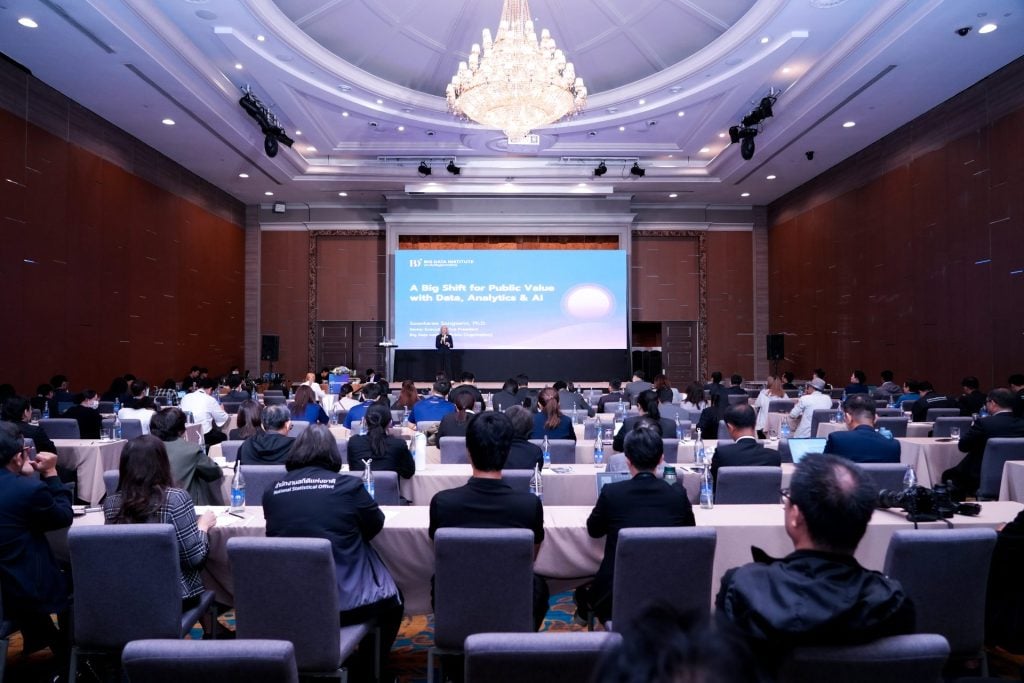
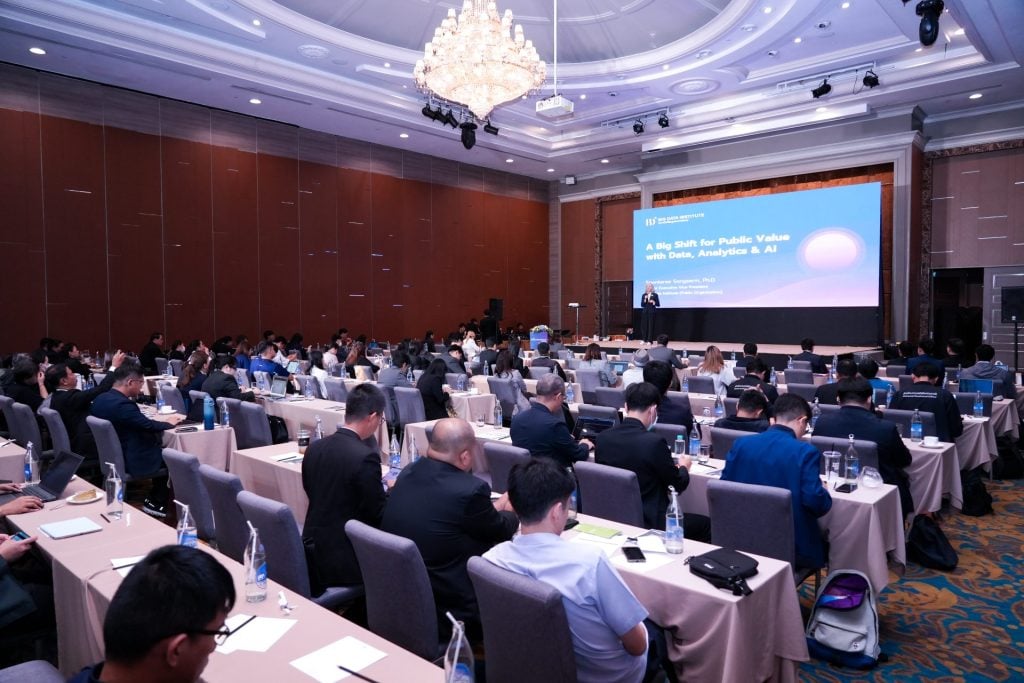
27 พฤษภาคม 2569, กรุงเทพฯ – ดร.สุนทรีย์ ส่งเสริม รองผู้อำนวยการสถาบันข้อมูลขนาดใหญ่ (BDI) ร่วมกล่าวปาฐกถาในงาน eGovernment Forum 2026 หัวข้อ “A Big Shift for Public Value with Data, Analytics & AI” เดินหน้าภารกิจหลักในการเป็นองค์กรขับเคลื่อนประเทศด้วยข้อมูลขนาดใหญ่และปัญญาประดิษฐ์ (Big Data & AI) โดยมุ่งเน้นการวิเคราะห์ข้อมูลเชิงลึก (Deep Analytics) เพื่อเปลี่ยนข้อมูลเป็น “ขุมทรัพย์” ของภาครัฐให้เป็นเครื่องมือสำคัญในการพัฒนาประเทศและกำหนดนโยบายแบบมุ่งเป้า ณ โรงแรมเดอะเบอร์เคลีย์ ประตูน้ำ กรุงเทพฯ
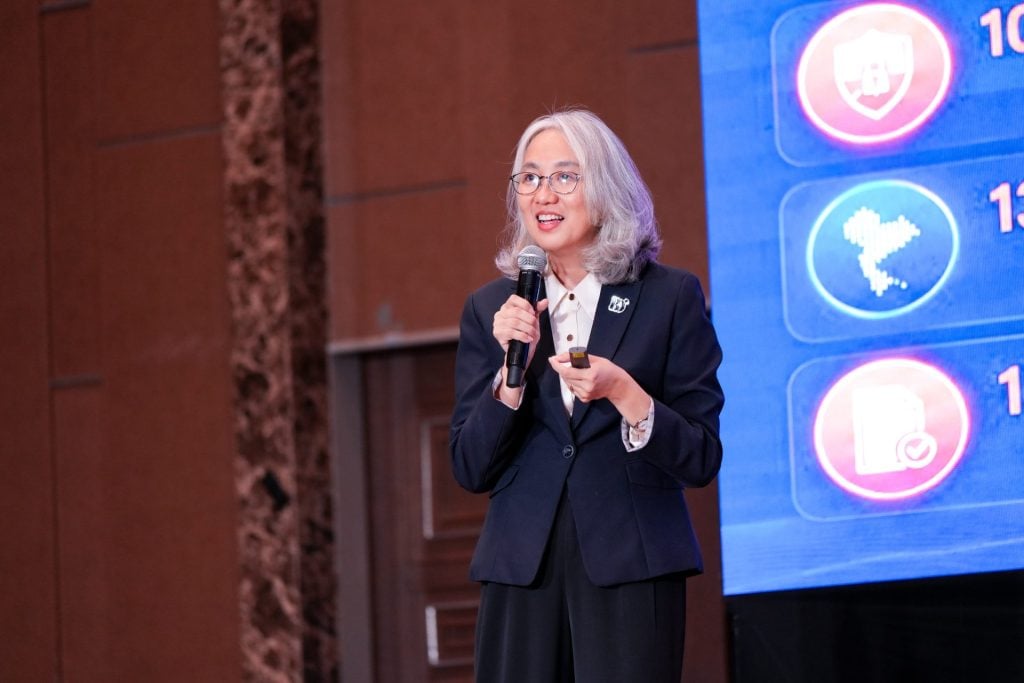
ดร.สุนทรีย์ กล่าวว่า ภารกิจของ BDI ไม่ใช่การรวบรวมข้อมูล แต่คือการสร้าง “ถนนข้อมูล” (National Backbone) ผ่านแพลตฟอร์มการเชื่อมโยงและวิเคราะห์ข้อมูลขนาดใหญ่ (ดีทู) หรือ Data Integration and Intelligence Platform (D2) ซึ่งทำหน้าที่เป็นโครงสร้างพื้นฐานในการเชื่อมโยงและบูรณาการข้อมูลข้ามหน่วยงาน เพื่อนำมาวิเคราะห์หาข้อมูลเชิงลึก (Insights) ที่สามารถนำไปใช้งานได้จริง โดยปัจจุบัน BDI มีทีมผู้เชี่ยวชาญที่เป็น Data Scientist และ Data Engineer มากถึง 60% ขององค์กร พร้อมให้บริการในรูปแบบ “Answer as a Service” เพื่อตอบโจทย์ปัญหาเฉพาะทางของหน่วยงานต่าง ๆ
พร้อมชูความสำเร็จด้วย Use Cases ที่จับต้องได้ แสดงให้เห็นถึงศักยภาพของการเชื่อมโยงข้อมูลด้วยเทคโนโลยีปัญญาประดิษฐ์ (AI) มาสร้างมูลค่าเพิ่มผ่านภารกิจสำคัญต่าง ๆ อาทิ
โครงการ Travel Link: การนำข้อมูลจากสำนักงานตรวจคนเข้าเมือง (ตม.) มาวิเคราะห์เชิงสถิติและแสดงผลผ่าน Dashboard ช่วยให้ภาคเอกชนในอุตสาหกรรมท่องเที่ยวและ Supply Chain ที่เกี่ยวข้อง สามารถวางแผนวางแผนธุรกิจและการตลาดได้อย่างแม่นยำ
การจัดสวัสดิการแบบมุ่งเป้า: D2 ดำเนินการเชื่อมโยงข้อมูลประชาชนในกลุ่มเปราะบางและกลุ่มคนพิการ จาก 15 กระทรวง 14 หน่วยงาน รวม 29 ฝ่าย เพื่อบูรณาการข้อมูลจากทุกภาคส่วน แก้ปัญหารายชื่อตกหล่นจากระบบ ทำให้รัฐบาลสามารถส่งมอบความช่วยเหลือได้ถึงตัวบุคคลอย่างทั่วถึงและเท่าเทียม
การพยากรณ์สินค้าเกษตร: ร่วมกับกระทรวงพาณิชย์ ในการพัฒนาแดชบอร์ดแสดงผลคาดการณ์ผลผลิตข้าวจากภาพถ่ายดาวเทียมของสำนักงานพัฒนาเทคโนโลยีอวกาศและภูมิสารสนเทศ (GISTDA) ด้วยเทคโนโลยีปัญญาประดิษฐ์ (AI) เพื่อวิเคราะห์และพยากรณ์ปริมาณข้าว เตรียมหาตลาดรองรับล่วงหน้าและรับมือกับการเปลี่ยนแปลงนโยบายเศรษฐกิจโลก

การก้าวข้ามความท้าทายด้วยธรรมาภิบาลข้อมูล แม้ว่าจะมีข้อจำกัดทางกฎหมายและความกังวลเรื่องความปลอดภัยของข้อมูล แต่ BDI ได้สร้างความเชื่อมั่นผ่านระบบ Data Governance ที่ได้มาตรฐาน เพื่อให้หน่วยงานภาครัฐมั่นใจในการแบ่งปันข้อมูล ทั้งนี้ล่าสุดคณะรัฐมนตรี (ครม.) มีมติเห็นชอบในหลักการร่างระเบียบสำนักนายกรัฐมนตรีว่าด้วยการแบ่งปันข้อมูลดิจิทัล เพื่อบูรณาการข้อมูลหน่วยงานรัฐให้เชื่อมโยงกัน พร้อมแก้ปัญหาให้กับกลุ่มเป้าหมายได้ตรงจุดอย่างทันท่วงที

“นวัตกรรมเทคโนโลยีใหม่ ๆ จะเกิดขึ้นได้ต้องเริ่มจากการปรับเปลี่ยน Mindset หากเราเปิดใจในการใช้ข้อมูลร่วมกัน เราจะสามารถแก้ปัญหาและอุปสรรคของประเทศได้ ทำให้เกิดการใช้งบประมาณได้อย่างคุ้มค่าและเกิดประโยชน์สูงสุดต่อทุกภาคส่วน ซึ่งเป็นกำลังสำคัญในการขับเคลื่อนประเทศไทยสู่ Data-Driven Nation” ดร.สุนทรีย์ กล่าวทิ้งท้าย
งาน eGovernment Forum 2026 เป็นส่วนหนึ่งของงานสัมมนาวิชาการและนิทรรศการแสดงนวัตกรรมดิจิทัลเทคโนโลยีที่ยิ่งใหญ่ที่สุดแห่งปี จัดโดยกระทรวงดิจิทัลเพื่อเศรษฐกิจและสังคม (ดีอี) ร่วมกับสมาคมผู้ใช้ดิจิทัลไทย (DUGA) โดยเปิดเวทีแห่งการแลกเปลี่ยนองค์ความรู้ วิสัยทัศน์ และประสบการณ์ด้านเทคโนโลยีดิจิทัลจากผู้เชี่ยวชาญทั้งภาครัฐและภาคเอกชน

การจัดงานครั้งนี้ มุ่งส่งเสริมการขับเคลื่อนนโยบายและแผนปฏิบัติการที่เป็นรูปธรรม เพื่อยกระดับการให้บริการภาครัฐอัจฉริยะที่มีประชาชนเป็นศูนย์กลาง พร้อมผลักดันการประยุกต์ใช้เทคโนโลยีดิจิทัลในการปรับเปลี่ยนกระบวนการทำงานภาครัฐให้มีประสิทธิภาพ โปร่งใส และมีธรรมาภิบาล ตลอดจนเสริมสร้างการบูรณาการและเชื่อมโยงข้อมูลระหว่างหน่วยงานภาครัฐทั้งภายในและข้ามหน่วยงาน เพื่อก้าวสู่การเป็นรัฐบาลดิจิทัลอย่างสมบูรณ์และยั่งยืน

Public Relations and Communication Specialist
Big Data Institute (Public Organization), BDI