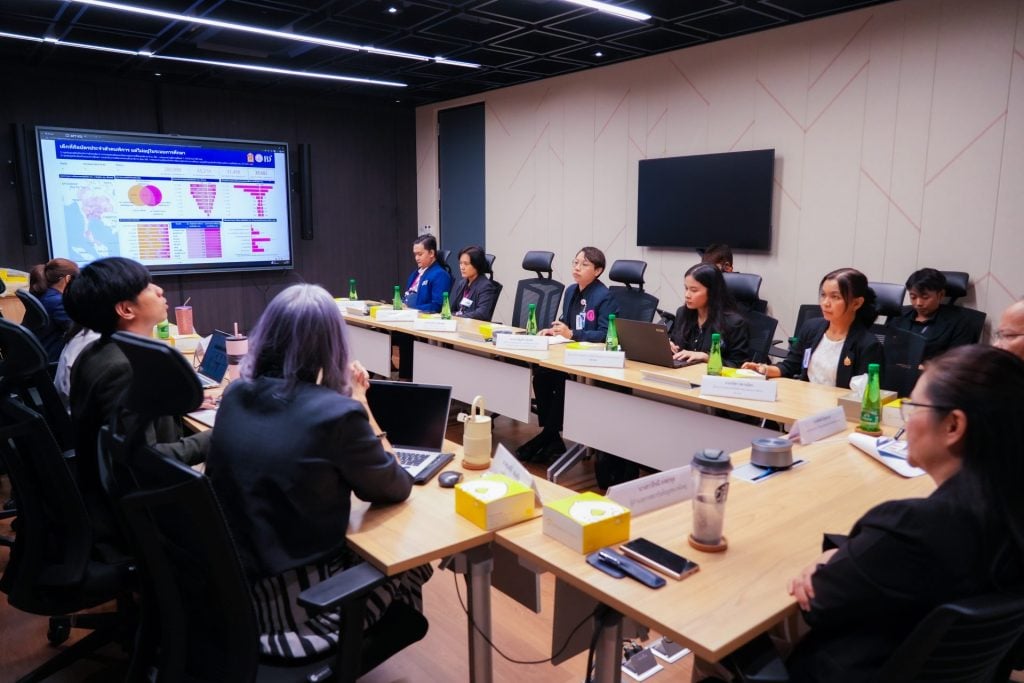
30 มิถุนายน 2569, กรุงเทพฯ – สถาบันข้อมูลขนาดใหญ่ (องค์การมหาชน) หรือ BDI ร่วมกับ กระทรวงการพัฒนาสังคมและความมั่นคงของมนุษย์ (พม.) เดินหน้ายกระดับการให้บริการสวัสดิการสังคมอย่างต่อเนื่อง โดย นายกิตติ อินทรกุล รองปลัดกระทรวงการพัฒนาสังคมและความมั่นคงของมนุษย์ พร้อมด้วย ศ. ดร.ธีรณี อจลากุล ผู้อำนวยการสถาบันข้อมูลขนาดใหญ่ ดร.สุนทรีย์ ส่งเสริม รองผู้อำนวยการสถาบันข้อมูลขนาดใหญ่ พร้อมด้วยผู้บริหารและผู้แทนจากหน่วยงานในสังกัด พม. ประกอบด้วย สำนักงานปลัดกระทรวง พม. (สป.พม.), กรมส่งเสริมและพัฒนาคุณภาพชีวิตคนพิการ (พก.) และกรมกิจการผู้สูงอายุ (ผส.)
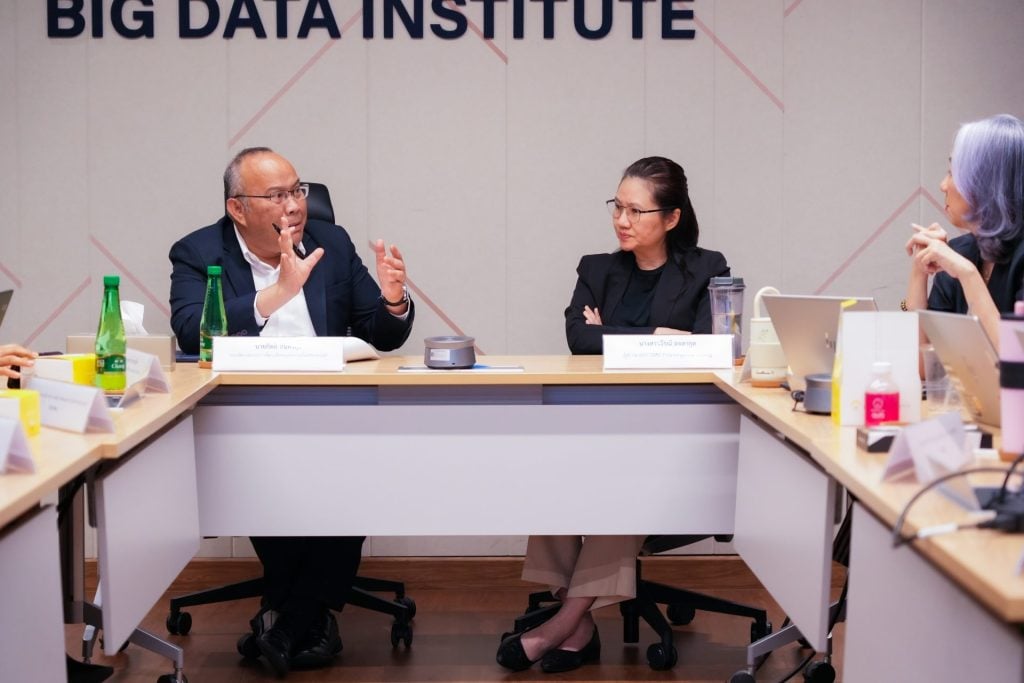

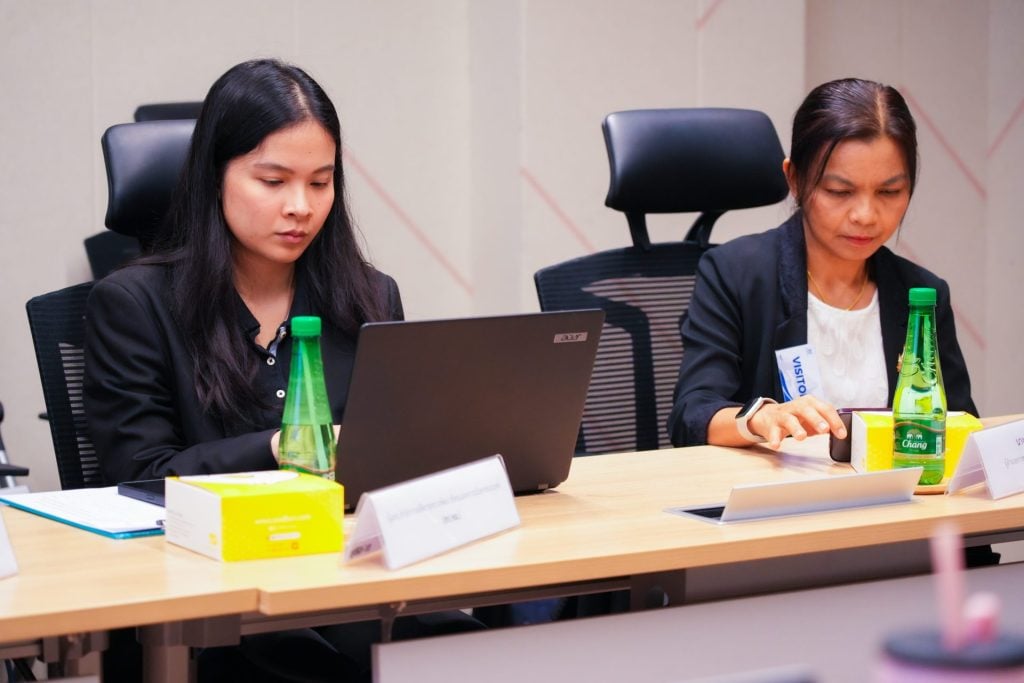
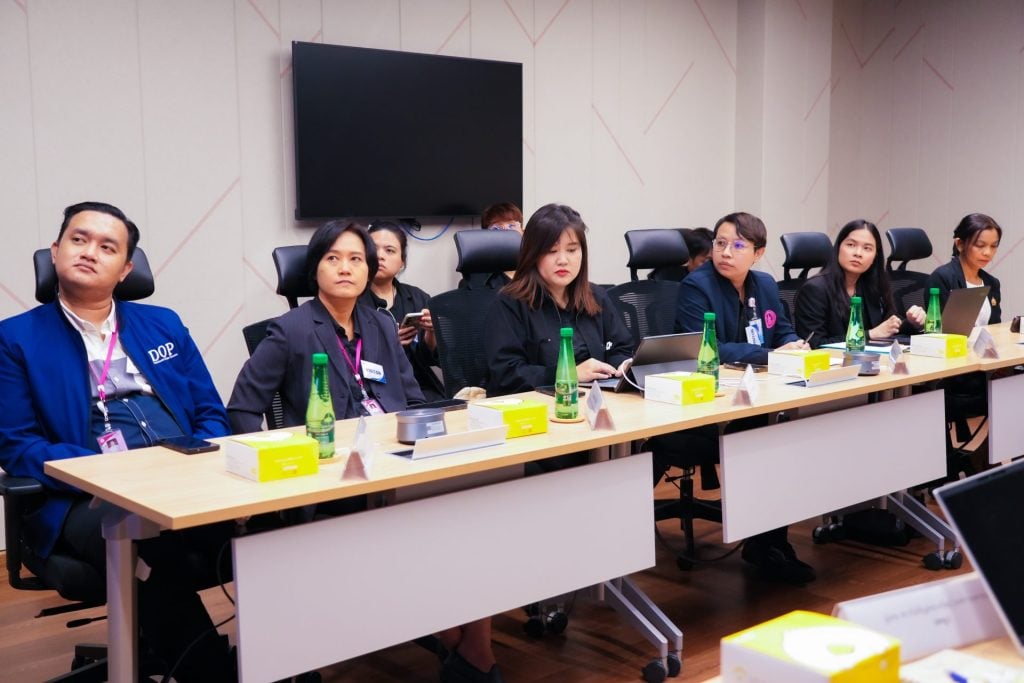
และผู้แทนจากทีมพัฒนาแพลตฟอร์ม D2 ของ BDI ร่วมประชุมเพื่อติดตามความคืบหน้าโครงการบูรณาการข้อมูลกลุ่มเปราะบาง ทั้งคนพิการและผู้สูงอายุ ตามมติคณะรัฐมนตรี ซึ่งเป็นการดำเนินงานต่อเนื่องจากการลงนามบันทึกความเข้าใจ (MoU) “การเชื่อมโยงและปรับปรุงฐานข้อมูลประชาชนในกลุ่มเปราะบางและกลุ่มคนพิการ และการจัดทำฐานข้อมูลผู้สูงอายุตามสิทธิ สวัสดิการ ที่จะได้รับรายบุคคล เพื่อบูรณาการข้อมูลจากทุกภาคส่วนที่ขับเคลื่อนงานด้านผู้สูงอายุ” ระหว่าง 29 ฝ่าย

ความสำเร็จในการเชื่อมโยงข้อมูลกลุ่มคนเปราะบาง คนพิการ และผู้สูงอายุ
ที่ประชุมได้ร่วมทบทวนผลลัพธ์การรวบรวมและเชื่อมโยงชุดข้อมูลสำคัญเพื่อการส่งเสริมพัฒนาคุณภาพชีวิตในกลุ่มคนเปราะบาง ซึ่งปัจจุบันสามารถรวบรวมเพื่อศึกษาคุณภาพ ศักยภาพ และข้อจำกัดในการใช้งานเชิงวิเคราะห์ ได้แล้ว 92 ชุดข้อมูล จากชุดเป้าหมาย 100 ชุดข้อมูล ทั้งนี้ ในระยะถัดไป พม. และ BDI จะมุ่งเน้นขับเคลื่อนการเปลี่ยนรูปแบบการส่งข้อมูล จากการส่งแบบครั้งเดียว ไปสู่การเชื่อมโยงข้อมูลตามรอบระยะเวลาที่เหมาะสม (Regular Update) เช่น ข้อมูลด้านการศึกษา ที่จะปรับปรุงการอัปเดตเป็นรายภาคเรียน หรือข้อมูลการจ่ายเบี้ยยังชีพ ทั้งเบี้ยผู้สูงอายุและเบี้ยคนพิการ ที่มีรอบการเบิกจ่ายรายเดือน แนวทางดังกล่าวจะช่วยให้ข้อมูลที่ใช้ในการวิเคราะห์มีความทันสมัยและสามารถนำไปใช้ได้อย่างต่อเนื่อง พร้อมยกระดับการเชื่อมโยงข้อมูลให้เป็นระบบกึ่งอัตโนมัติ ส่งผลให้แดชบอร์ดที่พัฒนาขึ้นสามารถแสดงผลข้อมูลล่าสุดได้ตามรอบการอัปเดต สนับสนุนผู้บริหารและเจ้าหน้าที่ในการติดตามสถานการณ์ วางแผน และออกแบบนโยบายเพื่อช่วยเหลือประชาชนกลุ่มเปราะบางได้อย่างมีประสิทธิภาพ
ก้าวต่อไปสู่แพลตฟอร์ม D2 เพื่อการช่วยเหลือที่แม่นยำ
เพื่อต่อยอดความร่วมมือในการบูรณาการข้อมูล ประชาชนกลุ่มเปราะบาง คนพิการ และผู้สูงอายุ ปัจจุบัน BDI ยังได้มีบทบาทเข้าเป็นที่ปรึกษาในโครงการยกระดับการบูรณาการข้อมูลเพื่อการพัฒนาสังคม โดยมีจุดมุ่งหมายเพื่อถ่ายทอดเทคโนโลยีการบูรณาการข้อมูลเพื่อการวิเคราะห์ที่พัฒนาขึ้น ให้สามารถใช้งานได้อย่างมีประสิทธิภาพบนโครงสร้างพื้นฐานด้านเทคโนโลยีสารสนเทศของกระทรวง พม. และสามารถแลกเปลี่ยนเพื่อการวิเคราะห์ร่วมกันระหว่างหน่วยงานที่เกี่ยวข้อง ถือเป็นก้าวสำคัญในการเตรียมความพร้อมเพื่อนำข้อมูลที่เกี่ยวข้องกับกลุ่มคนเปราะบาง ให้สามารถเชื่อมต่อใช้งานระหว่างหน่วยงาน ประมวลผลข้ามสาขาข้อมูลเพื่อการวิเคราะห์และออกแบบนโยบาย ผ่านแพลตฟอร์ม D2 ของ BDI ได้อย่างไร้รอยต่อในอนาคตต่อไป
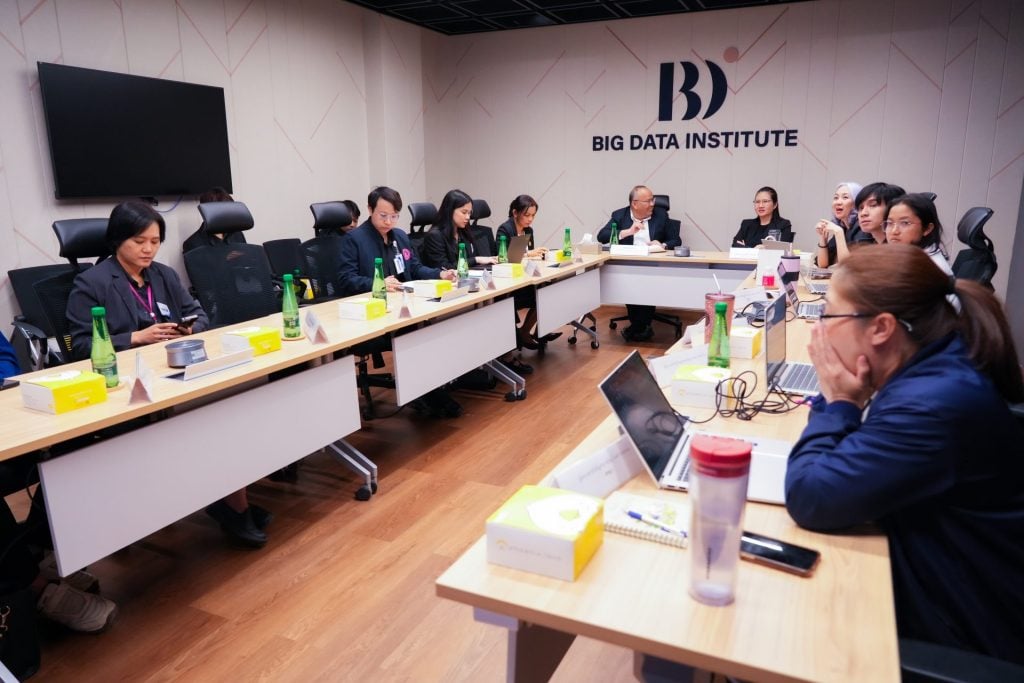
การบูรณาการข้อมูลร่วมกันในครั้งนี้ จะช่วยให้กระทรวง พม. มีฐานข้อมูลที่แม่นยำและทันสมัย ซึ่งจะส่งผลให้การวิเคราะห์ข้อมูลเพื่อกำหนดนโยบาย ตลอดจนการส่งต่อความช่วยเหลือไปยังพี่น้องประชาชนกลุ่มเปราะบาง ทั้งผู้สูงอายุและคนพิการ เป็นไปได้อย่างรวดเร็ว ตรงจุด และมีประสิทธิภาพสูงสุด

Public Relations and Communication Specialist
Big Data Institute (Public Organization), BDI