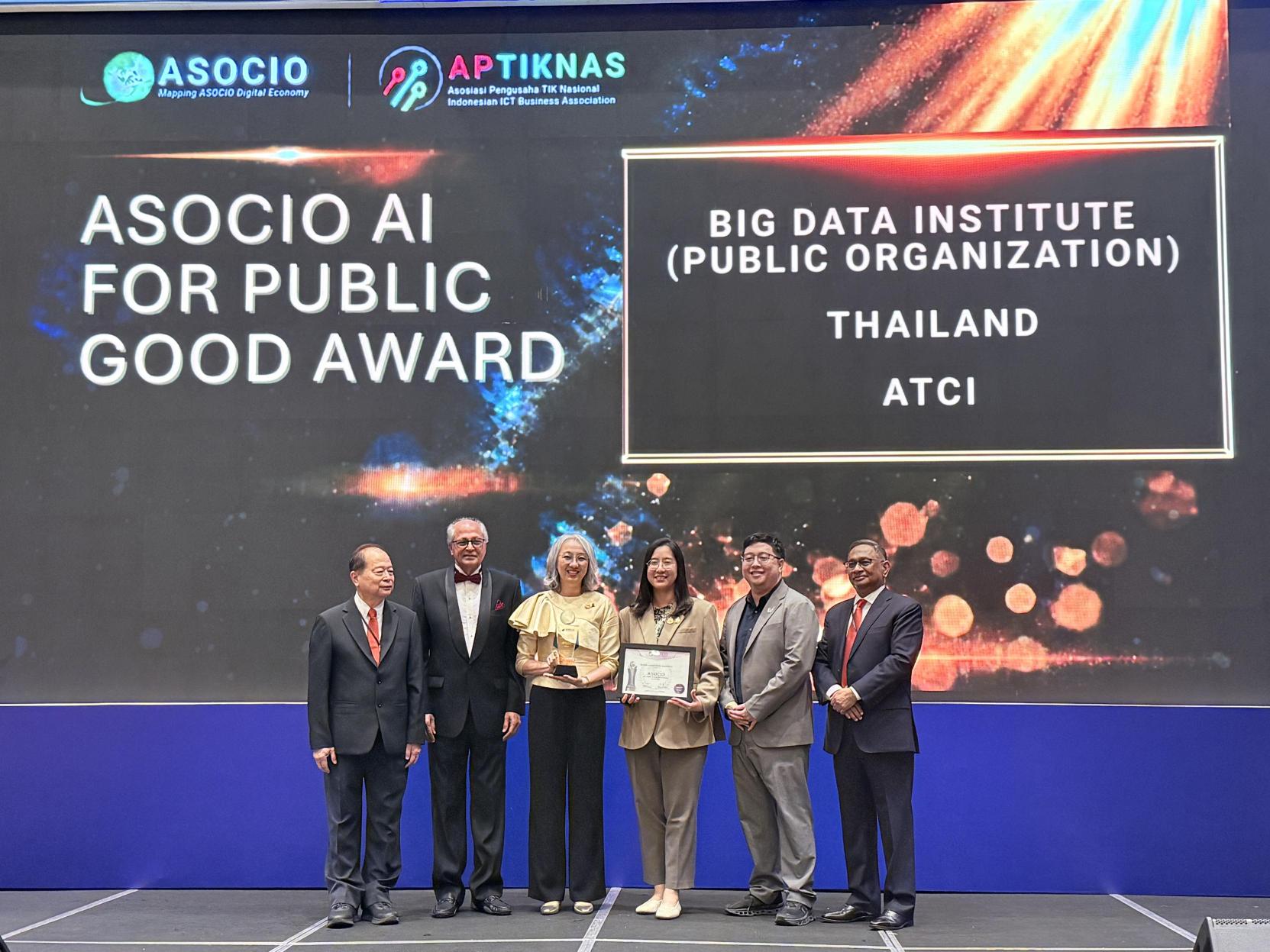
28 กรกฎาคม 2569, กรุงเทพมหานคร – ที่ประชุมคณะรัฐมนตรี (ครม.) เมื่อวันที่ 27 กรกฎาคม 2569 มีมติรับทราบ (ร่าง) แผนยุทธศาสตร์การขับเคลื่อนการใช้ประโยชน์จากข้อมูลขนาดใหญ่ (Big Data) พ.ศ. 2568–2570 ตามที่กระทรวงดิจิทัลเพื่อเศรษฐกิจและสังคมเสนอ นับเป็นครั้งแรกของประเทศไทยที่มีการกำหนดกรอบทิศทางการพัฒนาด้านข้อมูลขนาดใหญ่ เพื่อวางรากฐานเศรษฐกิจและสังคมที่ขับเคลื่อนด้วยข้อมูล (Data-Driven Nation) ยกระดับการตัดสินใจเชิงนโยบาย เพิ่มขีดความสามารถในการแข่งขันของประเทศ และส่งเสริมการใช้ปัญญาประดิษฐ์ (AI) อย่างเป็นระบบ
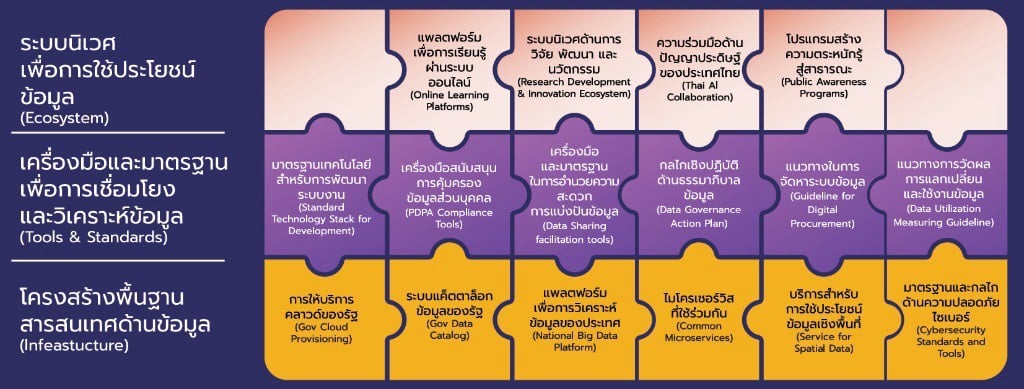
แผนยุทธศาสตร์ฯ ฉบับนี้ จัดทำโดย สถาบันข้อมูลขนาดใหญ่ (องค์การมหาชน) หรือ BDI เพื่อแก้ไขข้อจำกัดสำคัญของประเทศ ทั้งปัญหาการจัดเก็บข้อมูลที่กระจัดกระจายในหลายหน่วยงาน การขาดบุคลากรด้านข้อมูลและ AI การเชื่อมโยงข้อมูลที่ยังไม่สมบูรณ์ การใช้งานข้อมูลเชิงวิเคราะห์อย่างถูกต้องตามหลักความมั่นคงปลอดภัยไซเบอร์และการคุ้มครองข้อมูลส่วนบุคคล ตลอดจนข้อจำกัดด้านกฎหมายและโครงสร้างพื้นฐานทางเทคโนโลยีที่เกี่ยวข้อง และการสร้างระบบนิเวศที่เอื้อต่อการขับเคลื่อนการใช้ประโยชน์จาก Big Data และ AI
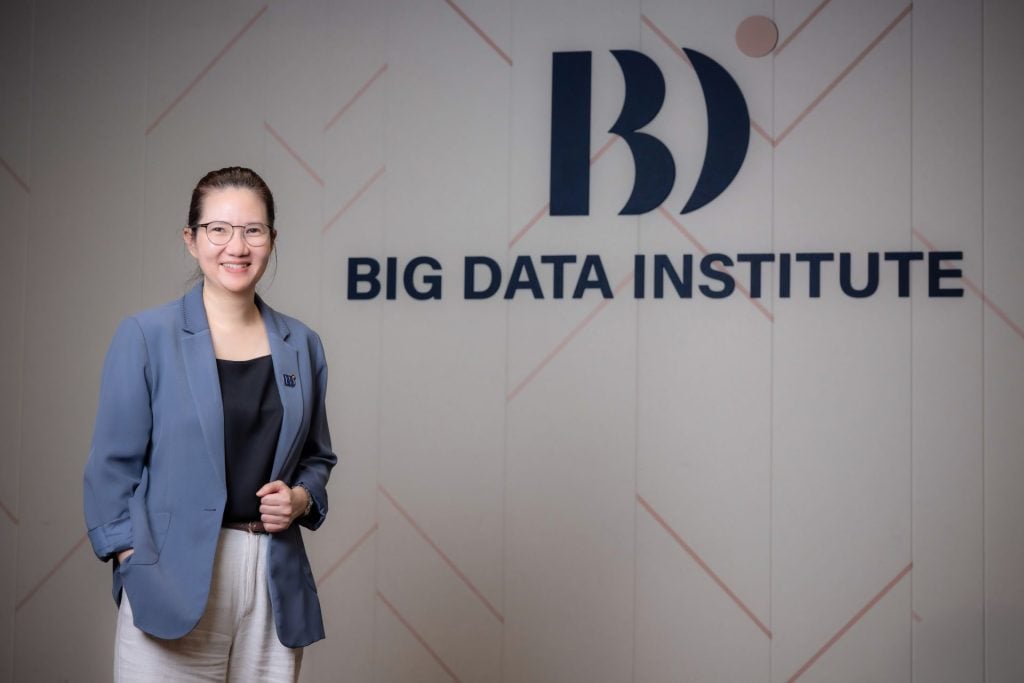
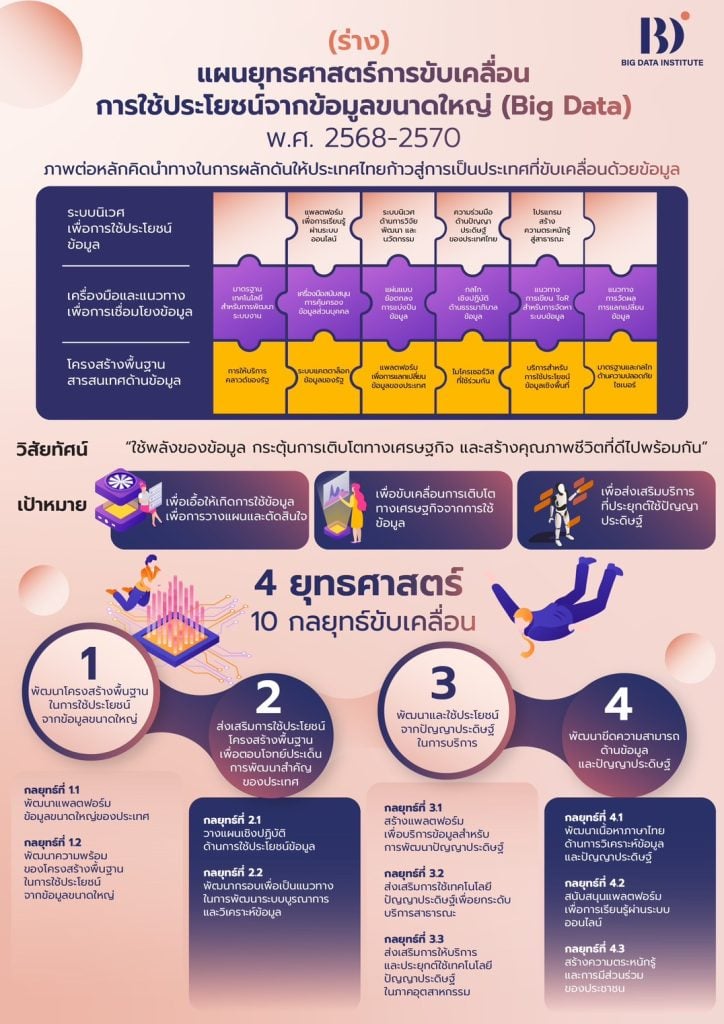
ศ. ดร.ธีรณี อจลากุล ผู้อำนวยการสถาบันข้อมูลขนาดใหญ่ กล่าวว่า แผนยุทธศาสตร์ฯ ฉบับนี้กำหนดวิสัยทัศน์ไว้ว่า “ใช้พลังของข้อมูลกระตุ้นการเติบโตทางเศรษฐกิจและสร้างคุณภาพชีวิตที่ดีไปพร้อมกัน” พร้อมตั้งเป้าหมายสำคัญ ได้แก่ การเพิ่มการใช้ Big Data เพื่อการตัดสินใจเชิงนโยบาย การขับเคลื่อนเศรษฐกิจด้วยข้อมูล และการส่งเสริมบริการและนวัตกรรมที่ประยุกต์ใช้ข้อมูลและ AI โดยตั้งเป้าหมายหลักให้ภายในปี 2570 มูลค่าทางเศรษฐกิจจากการใช้ประโยชน์ข้อมูลขนาดใหญ่เติบโตไม่น้อยกว่าร้อยละ 35 จากปีก่อน และยกระดับอันดับความสามารถในการแข่งขันด้านดิจิทัลของประเทศไทยในด้านการใช้ข้อมูลขนาดใหญ่ให้อยู่ใน 25 อันดับแรกของโลกเพื่อให้บรรลุเป้าหมายดังกล่าว แผนฉบับนี้ได้วาง 4 ยุทธศาสตร์สำคัญที่ BDI และหน่วยงานที่เกี่ยวข้องของไทยจะต้องเร่งขับเคลื่อน ได้แก่
1. พัฒนาโครงสร้างพื้นฐานด้านข้อมูลของประเทศ เช่น Government Cloud, Government Data Catalog และ National Big Data Platform
2. ส่งเสริมการใช้ประโยชน์ข้อมูลเพื่อแก้ไขปัญหาและพัฒนาประเทศในมิติต่าง ๆ อาทิ สุขภาพ การท่องเที่ยว สิ่งแวดล้อม การเกษตร และเศรษฐกิจการค้า
3. พัฒนาและประยุกต์ใช้ AI เพื่อยกระดับบริการภาครัฐ ภาคธุรกิจ และอุตสาหกรรม พร้อมสนับสนุนการสร้างโมเดล AI ภาษาไทยและคลังข้อมูลสำหรับการพัฒนา AI
4. พัฒนากำลังคนและยกระดับทักษะด้าน Big Data และ AI โดยตั้งเป้าฝึกอบรมบุคลากรไม่น้อยกว่า 160,000 คน ภายในปี 2570
“แผนยุทธศาสตร์ Big Data ฉบับแรกของประเทศไทยนี้ มุ่งเน้นการวางทิศทางและเป้าหมายในการขับเคลื่อนการใช้ประโยชน์จากข้อมูลของประเทศไทย ให้ครอบคลุมทุกมิติที่จำเป็นต่อการวางรากฐานในการสร้างประเทศที่ขับเคลื่อนด้วยข้อมูล เพื่อใช้ข้อมูลเชิงวิเคราะห์เป็นเครื่องมือช่วยยกระดับการพัฒนาทั้งด้านเศรษฐกิจและสังคม พร้อมทั้งส่งเสริมและสนับสนุนหน่วยงานทั้งในภาครัฐ เอกชน วิชาการ และประชาชนทั่วไปในการพัฒนาศักยภาพและทักษะในการใช้งาน การวิจัยและพัฒนาเทคโนโลยีและนวัตกรรมด้านข้อมูลและ AI เพื่อให้ผู้เล่นทุกภาคส่วนในระบบนิเวศด้านข้อมูลตลอดทั้งห่วงโซ่คุณค่าสามารถใช้ประโยชน์จากข้อมูลและ AI ได้อย่างเต็มประสิทธิภาพ เพื่อเพิ่มขีดความสามารถในการแข่งขันของประเทศไทยในระยะยาวต่อไป” ศ. ดร.ธีรณี กล่าวปิดท้าย
 อ่าน (ร่าง) แผนยุทธศาสตร์การขับเคลื่อนการใช้ประโยชน์จากข้อมูลขนาดใหญ่ (Big Data) พ.ศ. 2568–2570 ฉบับเต็มได้ที่ https://short.bdi.or.th/big-data-strategy

Public Relations and Communication Specialist
Big Data Institute (Public Organization), BDI