
BDI ถ่ายทอดองค์ความรู้ “การจัดการข้อมูลเพื่อการตัดสินใจ” แก่ผู้บริหารระดับกลาง กระทรวงคมนาคม รุ่นที่ 21

BDI ถ่ายทอดองค์ความรู้ “การจัดการข้อมูลเพื่อการตัดสินใจ” แก่ผู้บริหารระดับกลาง กระทรวงคมนาคม รุ่นที่ 21

4 มีนาคม 2569, กรุงเทพฯ – สถาบันข้อมูลขนาดใหญ่ (องค์การมหาชน) หรือ BDI โดย ดร.ประภาพรรณ วิภาตวิทย์ ผู้เชี่ยวชาญอาวุโสด้านบูรณาการข้อมูล ร่วมเป็นวิทยากรบรรยายในโครงการฝึกอบรมหลักสูตร “นักบริหารระดับกลาง กระทรวงคมนาคม (นบก.คค.) รุ่นที่ 21” ในหัวข้อ “การจัดการข้อมูลและการใช้ข้อมูลในการตัดสินใจ (Data Management and Data-Driven Decision Making)” โดยถ่ายทอดแนวคิดและกรณีศึกษาการประยุกต์ใช้ข้อมูลเพื่อสนับสนุนการบริหารงานภาครัฐในยุคข้อมูลขนาดใหญ่ เพื่อเสริมสร้างศักยภาพผู้บริหารระดับกลางให้มีความรู้และสมรรถนะด้านการบริหาร สามารถปรับตัวต่อการเปลี่ยนแปลงในยุคดิจิทัล พร้อมทั้งเป็นเวทีแลกเปลี่ยนองค์ความรู้และสร้างเครือข่ายความร่วมมือระหว่างหน่วยงานในสังกัดกระทรวง ณ โรงแรมเซ็นทารา ไลฟ์ บางกอก พระนคร
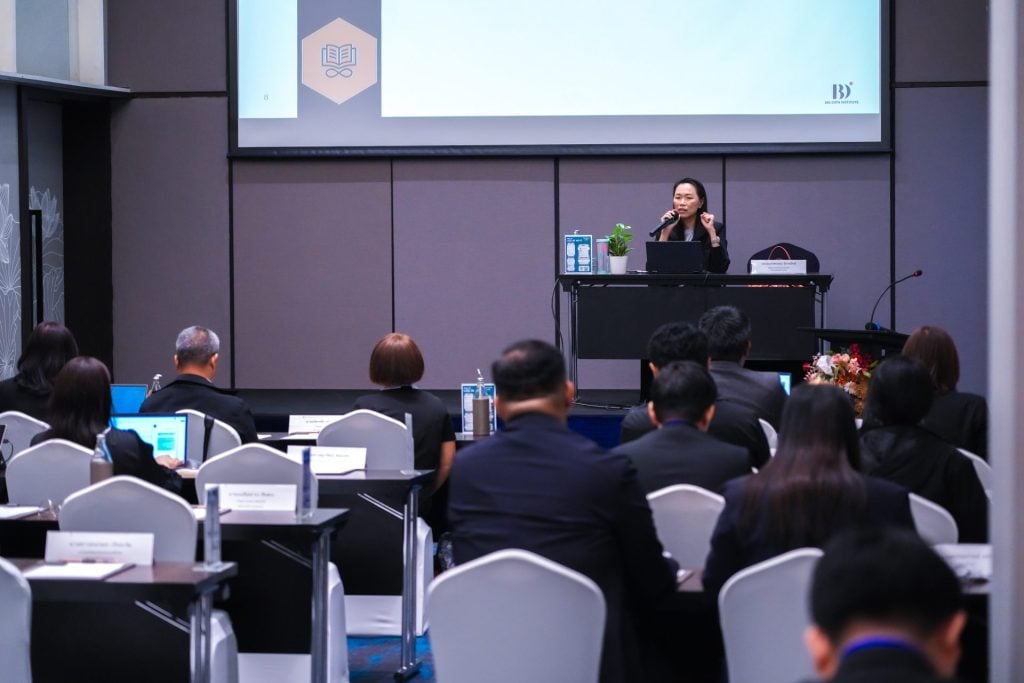
เนื้อหาการบรรยายครอบคลุมแนวโน้มการจัดการข้อมูลในปัจจุบัน โดยเฉพาะบทบาทของ Cloud Technology ที่เข้ามามีบทบาทสำคัญต่อการจัดการข้อมูลในปัจจุบัน เนื่องจากปริมาณข้อมูลเพิ่มขึ้นอย่างมหาศาลจนไม่สามารถประมวลผลได้ด้วยคอมพิวเตอร์ส่วนบุคคลเพียงอย่างเดียว การใช้โครงสร้างพื้นฐานบนคลาวด์จึงเป็นทางเลือกสำคัญในการรองรับการประมวลผลข้อมูลขนาดใหญ่

นอกจากนี้ยังได้กล่าวถึง หลักการจำแนกประเภทข้อมูล (Data Classification) ของประเทศไทย ซึ่งกำหนดระดับความสำคัญของข้อมูลไว้ 5 ระดับ ได้แก่ ชั้นเปิดเผยสู่สาธารณะ (Open) ชั้นเผยแพร่ภายในองค์กร (Private) ชั้นลับ (Confidential) ชั้นลับมาก (Secret) และ ชั้นลับที่สุด (Top Secret) โดยเฉพาะข้อมูลที่มีความอ่อนไหวและข้อมูลลับที่สูง ซึ่งกฎหมายกำหนดให้ต้องจัดเก็บภายในประเทศ เพื่อสร้างความมั่นคงปลอดภัยของข้อมูลภาครัฐและข้อมูลของประชาชน
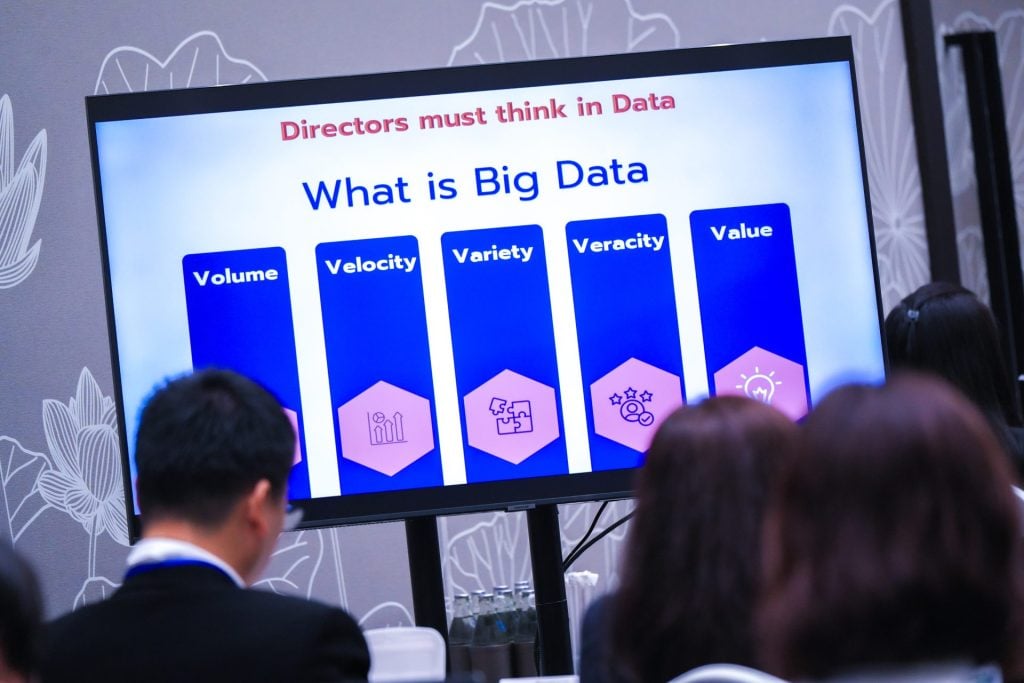
ในส่วนของการทำความเข้าใจข้อมูลขนาดใหญ่ ได้อธิบายคุณลักษณะสำคัญของ Big Data ในมิติ 5V ได้แก่ ปริมาณข้อมูล (Volume) ความเร็วของข้อมูล (Velocity) ความหลากหลายของข้อมูล (Variety) ความถูกต้องน่าเชื่อถือของข้อมูล (Veracity) และคุณค่าของข้อมูล (Value) ซึ่งเป็นปัจจัยสำคัญที่ทำให้ข้อมูลสามารถนำไปสร้างประโยชน์เชิงนโยบายและการบริหารจัดการได้อย่างมีประสิทธิภาพ

อีกหนึ่งประเด็นสำคัญคือการนำ Big Data มาใช้สนับสนุนการตัดสินใจของภาครัฐ ทั้งการกำหนดนโยบายอย่างแม่นยำ การบริหารงบประมาณอย่างมีประสิทธิภาพ การช่วยเหลือประชาชนตรงกลุ่มเป้าหมาย และการเฝ้าระวังความเสี่ยงหรือภัยพิบัติล่วงหน้า โดย ดร.ประภาพรรณ ได้อธิบายแนวคิด “Data to Decision Making” ซึ่งเป็นกระบวนการเปลี่ยนข้อมูลดิบให้กลายเป็นสารสนเทศและความเข้าใจเชิงลึก เพื่อนำไปใช้ประกอบการตัดสินใจได้อย่างมีประสิทธิภาพ พร้อมยกตัวอย่างการใช้ข้อมูลแบบ Real-time ในการเลือกเส้นทางเดินทางเพื่อให้สอดคล้องกับสถานการณ์จริง

สำหรับการบรรยายครั้งนี้ช่วยเสริมสร้างความเข้าใจให้กับผู้เข้าร่วมอบรมถึงบทบาทของข้อมูลและเทคโนโลยีดิจิทัลในการบริหารภาครัฐ พร้อมทั้งเปิดมุมมองใหม่ในการนำข้อมูลมาใช้ประกอบการตัดสินใจเชิงนโยบายและการบริหารองค์กร เพื่อยกระดับประสิทธิภาพการทำงานและการให้บริการประชาชนในอนาคต

Share This News

PDPA Icon

We use cookies to optimize your browsing experience and improve our website’s performance. Learn more at our Privacy Policy and adjust your cookie settings at Settings

Privacy Preferences

You can choose your cookie settings by turning on/off each type of cookie as needed, except for necessary cookies.

Accept all
Manage Consent Preferences
  • Strictly Necessary Cookies
    Always Active

    This type of cookie is essential for providing services on the website of the Personal Data Protection Committee Office, allowing you to access various parts of the site. It also helps remember information you have previously provided through the website. Disabling this type of cookie will result in your inability to use key services of the Personal Data Protection Committee Office that require cookies to function.
    Cookies Details

  • Performance Cookies

    This type of cookie helps the Big Data Institute (Public Organization) understand user interactions with its website services, including which pages or areas of the site are most popular, as well as analyze other related data. The Big Data Institute (Public Organization) also uses this information to improve website performance and gain a better understanding of user behavior. Although the data collected by these cookies is non-identifiable and used solely for statistical analysis, disabling them will prevent the Big Data Institute (Public Organization) from knowing the number of website visitors and from evaluating the quality of its services.

  • Functional Cookies

    This type of cookie enables the Big Data Institute (Public Organization)’s website to remember the choices you have made and deliver enhanced features and content tailored to your usage. For example, it can remember your username or changes you have made to font sizes or other customizable settings on the page. Disabling these cookies may result in the website not functioning properly.

  • Targeting Cookies

    "This type of cookie helps the Big Data Institute (Public Organization) understand user interactions with its website services, including which pages or areas of the site are most popular, as well as analyze other related data. The Big Data Institute (Public Organization) also uses this information to improve website performance and gain a better understanding of user behavior. Although the data collected by these cookies is non-identifiable and used solely for statistical analysis, disabling them will prevent the Big Data Institute (Public Organization) from knowing the number of website visitors and from evaluating the quality of its services.

Save settings