BDI ชูการออกแบบนโยบายสาธารณะที่ขับเคลื่อนด้วยข้อมูล ผ่านหลักสูตร ปปร.30 สถาบันพระปกเกล้า มุ่งเชื่อมโยง Big Data–AI ยกระดับการตัดสินใจภาครัฐ

BDI ชูการออกแบบนโยบายสาธารณะที่ขับเคลื่อนด้วยข้อมูล ผ่านหลักสูตร ปปร.30 สถาบันพระปกเกล้า มุ่งเชื่อมโยง Big Data–AI ยกระดับการตัดสินใจภาครัฐ

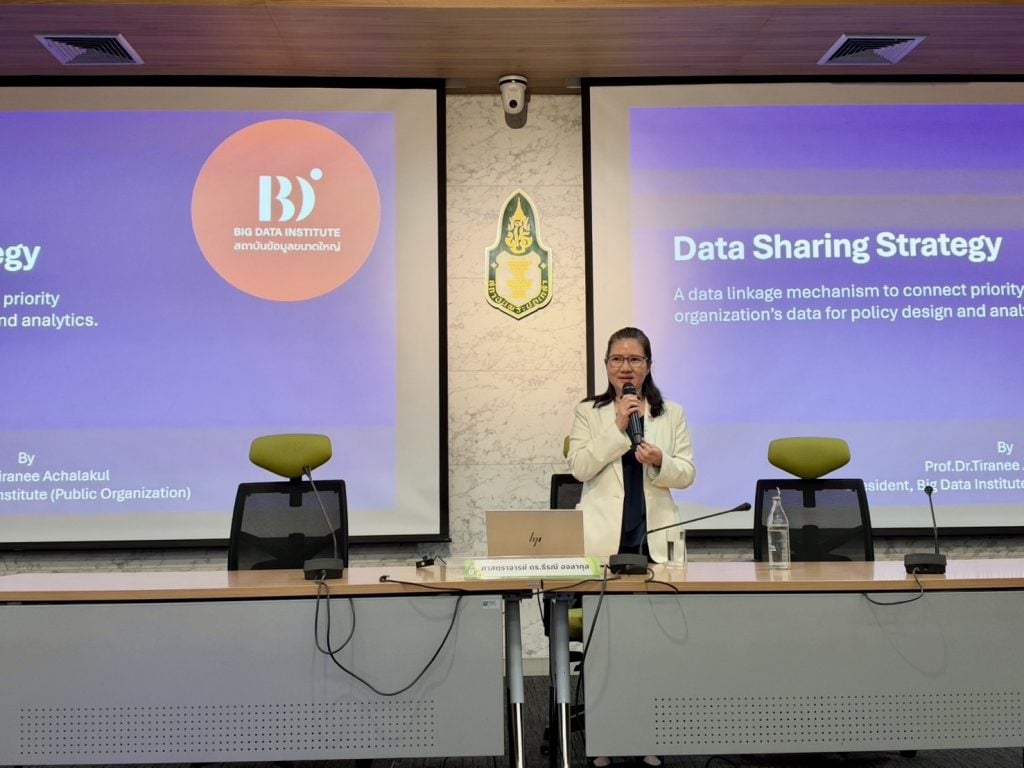
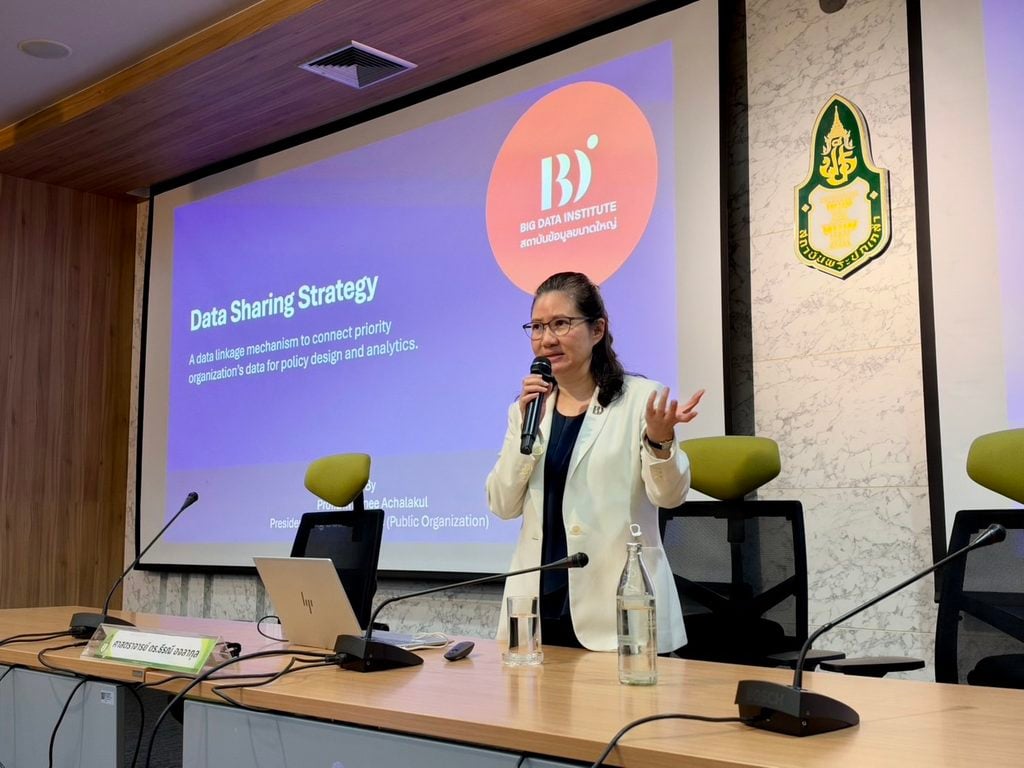
6 พฤศจิกายน 2569, กรุงเทพฯ – สถาบันข้อมูลขนาดใหญ่ (องค์การมหาชน) หรือ BDI โดย ศ. ดร.ธีรณี อจลากุล ผู้อำนวยการสถาบันข้อมูลขนาดใหญ่ ร่วมเป็นวิทยากรบรรยายหัวข้อ “การออกแบบนโยบายสาธารณะบนฐานข้อมูล (Data-Driven Public Policy Design)” ในหลักสูตรการเมืองการปกครองในระบอบประชาธิปไตยสำหรับนักบริหารระดับสูง รุ่นที่ 30 (ปปร.30) จัดโดยสถาบันพระปกเกล้า ณ ศูนย์ราชการเฉลิมพระเกียรติฯ เขตหลักสี่ กรุงเทพฯ ถ่ายทอดแนวทางการใช้ข้อมูลขนาดใหญ่ (Big Data) และปัญญาประดิษฐ์ (AI) เพื่อสนับสนุนการกำหนดนโยบายสาธารณะบนหลักฐานเชิงประจักษ์ (Evidence-Based Policy Making) และยกระดับประสิทธิภาพการบริหารภาครัฐ

ศ. ดร.ธีรณี นำเสนอแนวคิด Data Sharing Strategy หรือยุทธศาสตร์การแบ่งปันและเชื่อมโยงข้อมูล เพื่อแก้ปัญหาข้อมูลภาครัฐที่กระจัดกระจายอยู่ในหลายหน่วยงาน โดยเน้นการขับเคลื่อน 3 องค์ประกอบสำคัญ ได้แก่ โครงสร้างพื้นฐานข้อมูล (Infrastructure) กลไกเชิงนโยบายและการบริหารจัดการ (Mandate) และศักยภาพด้านการวิเคราะห์ข้อมูล (Analytics) เพื่อให้ภาครัฐสามารถนำข้อมูลมาใช้ประกอบการตัดสินใจได้อย่างแม่นยำ โปร่งใส และตอบโจทย์ประชาชน

พร้อมกันนี้ ได้เน้นบทบาทของ BDI ในการพัฒนา D2 Platform (Data Integration and Intelligence Platform) ซึ่งเป็นกลไกเชื่อมโยงและบูรณาการข้อมูลระหว่างหน่วยงานภาครัฐ เพื่อสนับสนุนการวิเคราะห์และใช้ประโยชน์จากข้อมูลร่วมกัน โดยให้ความสำคัญกับธรรมาภิบาลข้อมูล (Data Governance) การกำหนดสิทธิ์เข้าถึง และมาตรการรักษาความมั่นคงปลอดภัย เพื่อวางรากฐานโครงสร้างพื้นฐานข้อมูลของประเทศและสนับสนุนการกำหนดนโยบายอย่างเป็นระบบ
นอกจากนี้ ยังยกตัวอย่างการนำ Big Data และ AI ไปใช้ประโยชน์ผ่านโครงการสำคัญของ BDI อาทิ Travel Link แพลตฟอร์มข้อมูลอัจฉริยะด้านการท่องเที่ยวที่ช่วยวิเคราะห์พฤติกรรมและการเดินทางของนักท่องเที่ยว เพื่อสนับสนุนการวางแผนและกำหนดกลยุทธ์ทางเศรษฐกิจ และ Envi Link แพลตฟอร์มเชื่อมโยงและวิเคราะห์ข้อมูลสิ่งแวดล้อม เพื่อประเมินความเสี่ยงและสนับสนุนการจัดการปัญหาฝุ่น PM2.5 รวมถึงการใช้ข้อมูลด้านการเกษตร สาธารณสุข และการบริหารจัดการภัยพิบัติ เพื่อให้หน่วยงานที่เกี่ยวข้องสามารถกำหนดมาตรการได้อย่างตรงจุด

อีกทั้งยังกล่าวถึงทิศทางการประยุกต์ใช้ AI ในภาครัฐ ทั้งการวิเคราะห์ข้อมูล (Analytics AI) ปัญญาประดิษฐ์เชิงสร้างสรรค์ (Generative AI) และระบบ AI ที่สามารถดำเนินงานตามเป้าหมาย (Agentic AI) ควบคู่กับการพัฒนาคุณภาพข้อมูล การกำกับดูแล AI อย่างรับผิดชอบ และการเสริมสร้างทักษะบุคลากร เพื่อให้สามารถนำเทคโนโลยีมาใช้ได้อย่างมีประสิทธิภาพและปลอดภัย
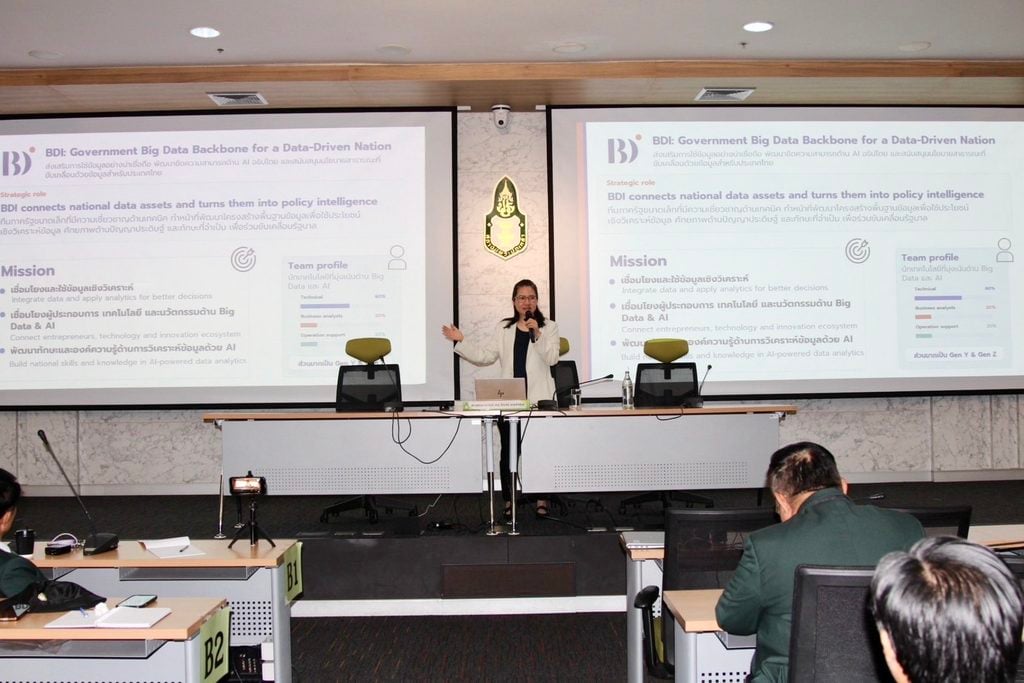
การบรรยายครั้งนี้สะท้อนบทบาทของ BDI ในการขับเคลื่อนการใช้ประโยชน์จาก Big Data และ AI ของประเทศ ทั้งการพัฒนาโครงสร้างพื้นฐาน การเชื่อมโยงและวิเคราะห์ข้อมูล ตลอดจนการถ่ายทอดองค์ความรู้เพื่อเสริมสร้างศักยภาพผู้บริหารภาครัฐในการกำหนดนโยบายที่ตอบโจทย์ประชาชน พร้อมผลักดันประเทศไทยสู่การเป็นประเทศที่ขับเคลื่อนด้วยข้อมูล (Data-Driven Nation) อย่างยั่งยืน

Share This News

PDPA Icon

We use cookies to optimize your browsing experience and improve our website’s performance. Learn more at our Privacy Policy and adjust your cookie settings at Settings

Privacy Preferences

You can choose your cookie settings by turning on/off each type of cookie as needed, except for necessary cookies.

Accept all
Manage Consent Preferences
  • Strictly Necessary Cookies
    Always Active

    This type of cookie is essential for providing services on the website of the Personal Data Protection Committee Office, allowing you to access various parts of the site. It also helps remember information you have previously provided through the website. Disabling this type of cookie will result in your inability to use key services of the Personal Data Protection Committee Office that require cookies to function.
    Cookies Details

  • Performance Cookies

    This type of cookie helps the Big Data Institute (Public Organization) understand user interactions with its website services, including which pages or areas of the site are most popular, as well as analyze other related data. The Big Data Institute (Public Organization) also uses this information to improve website performance and gain a better understanding of user behavior. Although the data collected by these cookies is non-identifiable and used solely for statistical analysis, disabling them will prevent the Big Data Institute (Public Organization) from knowing the number of website visitors and from evaluating the quality of its services.

  • Functional Cookies

    This type of cookie enables the Big Data Institute (Public Organization)’s website to remember the choices you have made and deliver enhanced features and content tailored to your usage. For example, it can remember your username or changes you have made to font sizes or other customizable settings on the page. Disabling these cookies may result in the website not functioning properly.

  • Targeting Cookies

    "This type of cookie helps the Big Data Institute (Public Organization) understand user interactions with its website services, including which pages or areas of the site are most popular, as well as analyze other related data. The Big Data Institute (Public Organization) also uses this information to improve website performance and gain a better understanding of user behavior. Although the data collected by these cookies is non-identifiable and used solely for statistical analysis, disabling them will prevent the Big Data Institute (Public Organization) from knowing the number of website visitors and from evaluating the quality of its services.

Save settings